Living in the beautiful Sussex countryside or along the coast near Lewes comes with many benefits, from the rolling South Downs to the refreshing sea air. However, rural and coastal lifestyles also bring specific hearing loss risk factors that many people may not immediately consider. Whether you spend time working on farmland, walking along windswept clifftops, or enjoying water-based activities, understanding what causes hearing loss in these environments is the first step towards protecting your ears for years to come.
At Sussex Audiology Centre, we support patients across Sussex, including those living in and around Lewes, Eastbourne, Hove, Haywards Heath, Goring-by-Sea, Ferring, and Storrington. In this guide, we explore the most common causes of hearing loss in adults, with a particular focus on the unique hearing damage causes that affect people living in rural and coastal communities like ours.
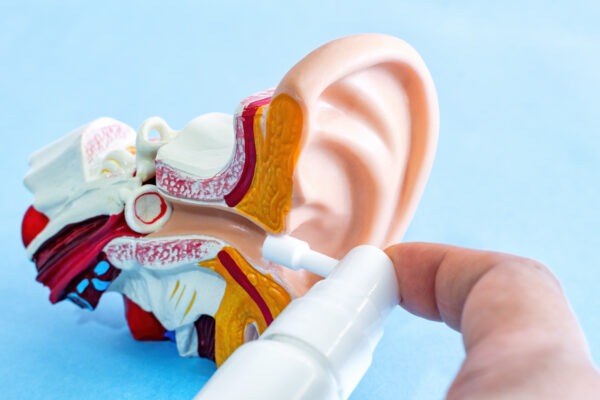
Before we look at the specific risks associated with rural and coastal living, it helps to understand how hearing loss happens at a fundamental level. Sound travels as waves through the ear canal, causing the eardrum to vibrate. These vibrations pass through tiny bones in the middle ear and into the cochlea in the inner ear, where delicate hair cells convert them into electrical signals that travel along the auditory nerve to the brain.
When any part of this process is disrupted, whether through physical damage, infection, or natural wear over time, hearing loss can occur. The two most widely recognised types are sensorineural hearing loss, which involves damage to the inner ear or auditory nerve, and conductive hearing loss, which occurs when sound cannot pass efficiently through the outer or middle ear. Some people experience a combination of both, known as mixed hearing loss.
If you have noticed changes in your hearing or are experiencing ear damage symptoms such as muffled sounds, difficulty following conversations, or ringing in the ears, we recommend booking a hearing assessment sooner rather than later.
When people think of noise induced hearing loss, busy city streets and construction sites often come to mind. However, rural environments present their own set of significant noise hazards. Agricultural machinery such as tractors, combine harvesters, chainsaws, and grain dryers can produce noise levels well above safe thresholds. A scoping review published in Frontiers in Public Health highlights that farmworkers who have prolonged exposure to loud noise are at considerable risk of disabling hearing loss.
For those living and working in the Sussex countryside around Lewes, regular exposure to farm equipment is a genuine concern. Livestock can also contribute to high noise levels, particularly in enclosed spaces such as barns and sheds. Many people working in these settings may not wear adequate hearing protection, especially during short tasks that are repeated daily over many years.
Additionally, recreational activities common in rural areas, including shooting, hunting with firearms, and using power tools for land management, can cause sudden acoustic trauma. Even a single gunshot without ear protection can produce sounds exceeding 140 decibels, which is far beyond the level at which permanent hearing damage can occur. The Health and Safety Executive (HSE) provides guidance for workers concerned about occupational noise exposure, and their advice is equally relevant for anyone regularly encountering loud sounds in a rural setting.
Living near the coast brings its own unique set of hearing loss causes. If you enjoy sailing, kayaking, or simply spending time on exposed beaches and clifftops around Lewes and Eastbourne, you may be exposed to sustained wind noise that can irritate and damage the ear canal over time. Persistent wind exposure can lead to a condition known as surfer’s ear (exostosis), where bony growths develop in the ear canal in response to cold water and wind. While this is more commonly associated with surfing, any regular coastal activity in cold, windy conditions can contribute.
Boating and marine engine noise also pose risks to hearing. Motorboat engines, jet skis, and even the constant drone of wind against the hull of a sailing vessel can reach levels that contribute to gradual noise induced hearing loss over the course of a season. Many people who enjoy these activities may not think to wear hearing protection, yet the cumulative effect of repeated exposure can be significant.
If you spend a lot of time in windy or noisy coastal environments and have started to notice changes in your hearing, it may be time to consider an audio test to get a clear picture of where things stand.
Moisture exposure is one of the most common triggers for ear infections, and those who live near the coast or regularly swim in the sea are naturally more susceptible. Otitis externa, commonly known as swimmer’s ear, is an infection of the outer ear canal that is frequently caused by water becoming trapped in the ear. According to the NHS, ear infections are very common and can often resolve on their own, but repeated or untreated infections can lead to longer-term hearing difficulties.
Saltwater, in particular, can irritate the delicate skin of the ear canal, making it more vulnerable to bacterial and fungal infections. When the ear canal becomes inflamed or blocked due to infection, it can cause temporary conductive hearing loss. In more persistent cases, especially where infections go untreated, the impact on hearing can be more lasting.
For residents of coastal areas like Lewes, Eastbourne, and Goring-by-Sea, it is important to dry your ears thoroughly after swimming and to seek prompt treatment if you notice pain, itching, or discharge. If you are experiencing symptoms of ear infection hearing loss, our team can help with professional ear wax removal and can advise on when further medical attention may be needed.
Regardless of where you live, age related hearing loss, also known as presbycusis, remains one of the most prevalent causes of hearing loss in adults. According to the World Health Organization, among those older than 60 years, over 25% are affected by disabling hearing loss. This type of hearing loss develops gradually as the hair cells in the inner ear naturally deteriorate over time, making it harder to pick up higher-pitched sounds and follow speech clearly in noisy environments.
In rural communities, age related hearing loss can sometimes go unnoticed for longer because daily routines may involve less frequent social interaction compared to urban settings. Fewer opportunities for face-to-face conversation can mean that the early signs of hearing loss, such as asking people to repeat themselves or turning the television volume up, are brushed off or attributed to other factors.
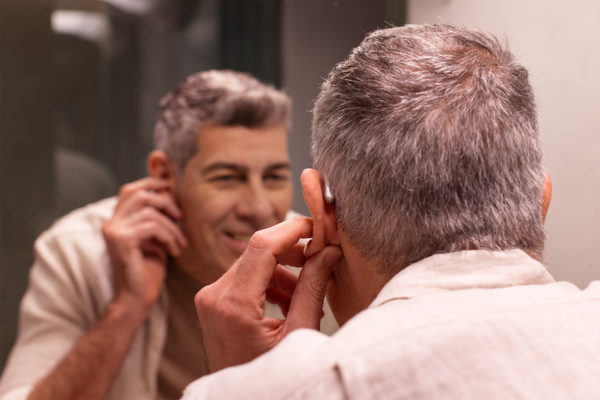
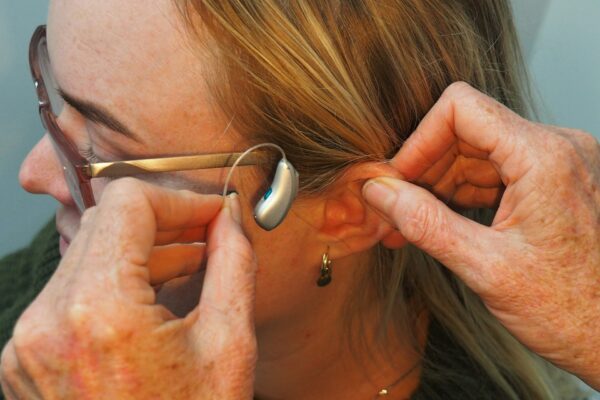
The good news is that age related hearing loss responds very well to modern hearing aid technology. At Sussex Audiology Centre, we offer a wide range of hearing aid styles from leading manufacturers including Phonak, Oticon, and Signia, all designed to fit seamlessly into your lifestyle.
Beyond the environmental factors specific to rural and coastal living, there are several other common causes of hearing loss that are worth understanding.
Earwax buildup is one of the most frequently seen causes of temporary hearing loss. When wax accumulates and hardens in the ear canal, it can block sound from reaching the eardrum effectively. This is easily resolved with professional ear wax removal, something we carry out regularly at our clinics across Sussex.
Certain medications, known as ototoxic drugs, can also affect hearing. These include some antibiotics, chemotherapy drugs, and high-dose anti-inflammatory medications. If you are taking any long-term medication and have noticed changes in your hearing, it is worth discussing this with your GP and booking a hearing test.
Conditions such as otosclerosis, Meniere’s disease, and tinnitus can also contribute to hearing difficulties. Head injuries and viral illnesses are additional sudden hearing loss causes that may affect one or both ears without warning. If you experience any sudden change in your hearing, you should seek medical advice urgently.
Understanding the hearing loss risk factors in your area is one thing, but taking practical steps to protect your hearing is just as important. The RNID (Royal National Institute for Deaf People) emphasises that loud noise is one of the biggest causes of permanent hearing loss and tinnitus, and that taking simple protective measures can make a real difference.
Here are some practical hearing loss prevention steps you can take if you live in a rural or coastal area like Lewes:
Wear appropriate hearing protection when operating farm machinery, using power tools, or taking part in shooting activities. Custom-moulded ear protection offers the best fit and comfort for regular use.
Dry your ears thoroughly after swimming in the sea or being caught in rain, and avoid inserting cotton buds or other objects into the ear canal.
Be mindful of wind exposure when out on the water or walking along exposed coastlines. A simple windproof headband or hat can help reduce the impact.
Have your hearing checked regularly, especially if you are over 50 or work in a noisy environment. Early detection is key to effective management.
If you would like to explore custom hearing protection, we offer tailored solutions through our audiology services.
One of the challenges for people living in rural or semi-rural areas is that access to specialist healthcare can sometimes feel less convenient than in larger towns and cities. Delayed diagnosis is a genuine concern when it comes to hearing loss, as the condition tends to progress gradually and people often adapt to it without realising how much they are missing.
At Sussex Audiology Centre, we are proud to have a dedicated clinic right here in Lewes, making it easy for local residents to access a comprehensive hearing test in Lewes without the need to travel far. Our free hearing aid assessments include a full health history, a hearing test, a discussion of your lifestyle and listening challenges, and a recommendation on the most suitable corrective action. We also offer home visits for those who find it difficult to travel to one of our clinics.
Whether you are noticing early signs of hearing loss or simply want peace of mind, regular hearing assessments are one of the most important things you can do for your long-term hearing health.
What are the most common causes of hearing loss in adults?
The most common causes of hearing loss in adults include age related hearing loss (presbycusis), prolonged exposure to loud noise, ear infections, earwax buildup, and certain medical conditions or medications. Living in rural or coastal areas can add additional risk factors such as agricultural noise, wind exposure, and increased moisture in the ears.
Can wind noise really cause hearing damage?
Yes, sustained exposure to strong wind, particularly during coastal activities like sailing, kayaking, or walking along exposed beaches, can irritate the ear canal and contribute to conditions such as surfer’s ear (exostosis). Over time, this can affect how well sound travels through the ear canal.
How do ear infections lead to hearing loss?
Ear infections cause inflammation and sometimes fluid buildup in the ear canal or middle ear, which can temporarily block sound transmission and result in conductive hearing loss. Repeated or untreated ear infections may lead to more lasting hearing difficulties, making prompt treatment important.
What are the signs that I should get a hearing test?
Common ear damage symptoms that suggest you should book a hearing test include frequently asking people to repeat themselves, turning the volume up higher than others need, difficulty hearing in noisy settings, and experiencing ringing or buzzing in your ears (tinnitus). If any of these sound familiar, we encourage you to visit our Lewes clinic or any of our Sussex locations.
Is noise induced hearing loss permanent?
In many cases, yes. Once the delicate hair cells in the inner ear are damaged by excessive noise, they cannot regenerate. This is why hearing loss prevention through proper ear protection is so important, particularly for those exposed to loud environments on a regular basis.
Does Sussex Audiology Centre offer hearing tests near Lewes?
Absolutely. We have a clinic located in Lewes at Unit 1, Artisan House, Brooks Road, BN7 2YJ, where our experienced audiologists provide comprehensive hearing assessments, ear wax removal, hearing aid fittings, and ongoing patient aftercare. You can also visit our clinics in Hove, Eastbourne, Haywards Heath, Goring-by-Sea, Ferring, and Storrington.
If you have been wondering about changes in your hearing or you simply want to stay on top of your hearing health, we are here to help. As a family-founded and family-run practice, we pride ourselves on offering a personalised, friendly service tailored to your individual needs. Our free hearing aid assessments are designed to give you a complete picture of your hearing and clear guidance on your options moving forward.
Get in touch with our Lewes clinic on 01273 752979, call us on 0330 3203 413, or email us at info@sussexaudiologycentre.co.uk. You can also contact us online to book your appointment or ask any questions.
For more hearing health advice and updates, visit the Sussex Audiology Centre blog.
23 May 2025
4 July 2023
27 May 2025
Fields marked with an * are required









© 2026 Sussex Audiology | Privacy Policy | Late Fees