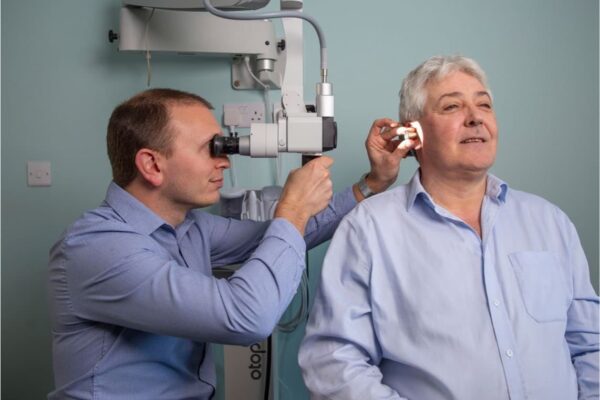
Auditory Processing Disorder (APD) is often misunderstood, misdiagnosed, or overlooked entirely. Yet for those living with it, the impact on daily communication, learning, and confidence can be profound. Whether you’re a parent, educator, clinician, or someone navigating APD yourself, understanding its symptoms and treatment options is the first step toward empowerment.
APD is a neurological condition that affects how the brain processes auditory information. People with APD typically have normal hearing but struggle to interpret sounds, especially in noisy environments. It’s not about what the ears hear, it’s about how the brain makes sense of it.
These symptoms can vary in intensity and often overlap with other conditions like ADHD, Autism or language disorders, making accurate diagnosis essential.
Case History & Symptom Review
A detailed discussion of listening challenges, academic or occupational concerns, and developmental history helps identify patterns consistent with APD.
Hearing Evaluation
A full audiological exam ensures that hearing sensitivity is within normal limits, ruling out peripheral hearing loss as the primary cause.
Standardised Auditory Processing Tests
These are age-appropriate, evidence-based tests that assess specific auditory skills
At Sound Horizons, we use the Buffalo Model to interpret test results within four functional categories: Decoding, Tolerance-Fading Memory, Integration, and Organisation. This model not only identifies the presence of APD but also guides individualised therapy planning.
Assessment is the first empowering step, because when we understand how someone listens, we can help them listen better.
While APD can’t be “cured,” it can be effectively managed with targeted interventions. Treatment typically includes:
Among these, auditory training stands out as a transformative approach, especially when guided by a structured, evidence-based model.
Developed by Dr. Jack Katz, the Buffalo Model is a comprehensive framework for assessing and treating APD. It categorises auditory processing difficulties into four key areas:
Buffalo Model therapy uses tailored exercises to strengthen these areas, often through interactive listening tasks, phoneme discrimination, auditory memory drills, and sequencing games. It’s not a one-size-fits-all approach, it’s personalised, progressive, and deeply engaging.
Hearing aids amplify sound, but they don’t teach the brain how to interpret it. That’s where auditory training comes in.
For hearing aid users, especially those with long-standing hearing loss or new devices, Buffalo Model therapy can help “retrain the brain” to make sense of amplified sounds. This is especially beneficial for:
Think of it like physical therapy for your ears, hearing aids provide the strength, and auditory training provides the coordination.
At Sound Horizons, we believe that every individual deserves to hear, and be heard, with clarity and confidence. Whether you’re navigating APD or adapting to hearing aids, Buffalo Model auditory training offers a structured, science-backed path to better listening.
If you’re curious about APD assessment or how this therapy could support you or someone you care about, reach out today. Your journey to empowered listening starts here.

25 April 2024
4 November 2025
16 June 2023
Fields marked with an * are required



© 2026 Sussex Audiology | Privacy Policy | Late Fees