Eastbourne is one of the most cherished seaside towns in England. With its sweeping coastline, dramatic chalk cliffs, and vibrant seafront, it is easy to understand why so many people love calling it home. From morning walks along the promenade to afternoons spent swimming or sailing off the coast, the Eastbourne lifestyle is defined by its close connection to the sea.
However, while coastal living offers an enviable quality of life, it can also present some less obvious challenges for your ear health. Wind, moisture, changing air pressure, seasonal allergies, and environmental noise are all part of everyday life by the sea, and over time, they can quietly take a toll on your hearing.
At Sussex Audiology Centre, we see patients across our clinics in Eastbourne, Hove, Lewes, Haywards Heath, Goring-by-Sea, Ferring, and Storrington who are navigating these very challenges. In this article, we explore how Eastbourne’s coastal lifestyle can affect your hearing over time, what symptoms to be aware of, and what you can do to stay on top of your hearing health.
One of the defining features of life in a coastal town like Eastbourne is the wind. Whether you are cycling along the seafront, walking the South Downs Way, or simply enjoying time on the beach, regular exposure to strong winds is a reality for most residents.
What many people do not realise is that wind noise can reach surprisingly high levels. According to RNID, loud noise is one of the biggest causes of permanent hearing loss and tinnitus. Prolonged exposure to sounds at or above 85 decibels can cause lasting hearing damage, and wind noise during outdoor activities, particularly at speed, can easily reach or exceed that threshold. Over months and years, this kind of repeated exposure contributes to noise induced hearing loss, one of the most common and entirely preventable forms of hearing damage.
Beyond the noise itself, wind can create turbulence within the ear canal, leading to sensations of pressure, discomfort, or fullness. If you regularly feel these symptoms after spending time outdoors along the Eastbourne coast, it is worth considering hearing protection advice from a qualified audiologist. Simple measures such as wearing a snug hat, headband, or windproof hood can make a real difference to your long-term hearing health.
Swimming, paddleboarding, kayaking, and open-water dipping are all hugely popular in Eastbourne. The sea is, for many, the best part of living here. However, regular water exposure comes with a well-known risk to your ears: swimmer’s ear.
Swimmer’s ear, known medically as otitis externa, is an infection of the skin lining the ear canal. According to the NHS, it occurs more frequently when water enters the ear canal, creating a warm, moist environment that encourages bacteria or fungi to thrive. Common symptoms include ear pain, itching, a feeling of blocked ears, discharge, and temporary hearing loss.
For occasional swimmers, a single episode is usually straightforward to treat. However, for those who are in the water regularly, repeated bouts of swimmer’s ear can lead to more persistent hearing problems and increased vulnerability to further infections. Using well-fitted swim plugs or custom hearing protection before entering the water is one of the most effective preventative steps you can take. If you would like hearing protection advice tailored to your lifestyle, our team at Sussex Audiology Centre can help.
While swimmer’s ear tends to resolve with appropriate treatment, surfer’s ear is a more serious and longer-lasting condition. Medically referred to as exostosis, surfer’s ear involves the gradual growth of bony lumps within the ear canal. According to research published by the National Center for Biotechnology Information (NCBI), external auditory exostoses are irreversible and develop in response to repeated exposure to cold water and wind.
Despite its name, you do not need to be a surfer to develop this condition. Anyone who regularly swims, sails, kayaks, or takes part in water-based activities along the Sussex coast may be at risk. As the bony growths gradually narrow the ear canal, they can trap water and debris more easily, increasing the likelihood of infections and compounding existing hearing problems.
Early detection is key. If you notice recurring blocked ears, reduced hearing clarity, or frequent infections after spending time in the water, we would encourage you to book a hearing assessment at our Eastbourne hearing clinic so we can examine your ears and discuss the most appropriate next steps.
Coastal areas tend to experience higher humidity levels than their inland counterparts, and Eastbourne is no exception. While the sea air is often celebrated for its health benefits, sustained humidity can contribute to a range of ear health issues that are easy to overlook.
Excess moisture in the air encourages bacterial growth within the ear canal, raising the risk of outer ear infections. Humidity can also contribute to Eustachian tube dysfunction, a condition in which the narrow tubes connecting your middle ear to the back of your throat become blocked or inflamed. When this happens, you may experience a feeling of fullness in your ears, muffled hearing, popping or crackling sounds, or even mild dizziness and balance issues.
Seasonal changes can compound these effects. Eastbourne’s proximity to the coast and the surrounding South Downs countryside means that pollen counts can be elevated during spring and summer, aggravating allergies and hay fever. In autumn and winter, damp conditions, colds, flu, and sinus infections can lead to fluid buildup behind the eardrum, causing further temporary hearing loss. If you find that your hearing seems to fluctuate with the seasons, it is worth monitoring your symptoms and seeking professional guidance rather than assuming the issue will resolve on its own.
It is easy to think of Eastbourne as a quiet, peaceful seaside retreat, but coastal towns carry their own distinct noise profile. Harbours, marinas, seafront entertainment venues, outdoor summer concerts, and busy promenade areas all contribute to the overall sound environment. Add in the constant backdrop of wind and waves, and the cumulative noise exposure can be more significant than you might imagine.
Regular or prolonged exposure to noise levels above 85 decibels can gradually harm the delicate hair cells within your inner ear. Once damaged, these cells do not regenerate, which is precisely why noise induced hearing loss is permanent. This makes hearing loss prevention especially important for those who live, work, or spend considerable time in noisier coastal settings.
If you work in a sound-intensive coastal industry, such as hospitality, marine trades, or construction near the seafront, we would strongly recommend investing in quality hearing protection and scheduling regular hearing tests to track your hearing health over time.
Tinnitus, commonly experienced as a ringing, buzzing, or humming sound in the ears, can be triggered or exacerbated by a number of factors linked to coastal living. Fluctuations in air pressure, sustained wind exposure, and cumulative noise can all play a role.
Research published in the journal PLoS ONE has found associations between extreme meteorological conditions and tinnitus-related symptoms, highlighting how weather and environmental exposure can influence auditory wellbeing. For Eastbourne residents who already live with tinnitus, the coastal climate may occasionally make symptoms feel more prominent, particularly during windier months or periods of rapid weather change.
If tinnitus is affecting your quality of life, you do not have to manage it alone. Our tinnitus therapy services are designed to help you develop practical strategies to manage and reduce the impact of your symptoms, so you can continue to enjoy everything that coastal life has to offer.
The reassuring news is that many of the hearing risks associated with living by the coast are entirely preventable with the right precautions. Here are some practical steps you can take to protect your hearing while enjoying the Eastbourne lifestyle.
When spending time outdoors in windy conditions, wearing a hat, headband, or snug hood over your ears can significantly reduce wind noise and turbulence in the ear canal. For regular swimmers, custom-fitted swim plugs are one of the most effective ways to keep water out of your ears and minimise the risk of infections. If you attend outdoor events or work in louder environments, investing in professionally fitted hearing protection is a worthwhile step towards hearing loss prevention.
Keeping your ears clean and dry is equally important. After swimming or spending time in damp conditions, gently drying your outer ears with a soft towel helps prevent moisture buildup. Avoid inserting cotton buds or other objects into your ear canal, as this can push wax further in and cause damage. If you are experiencing earwax buildup, our professional ear wax removal service offers safe and effective treatment to keep your ears clear and healthy.
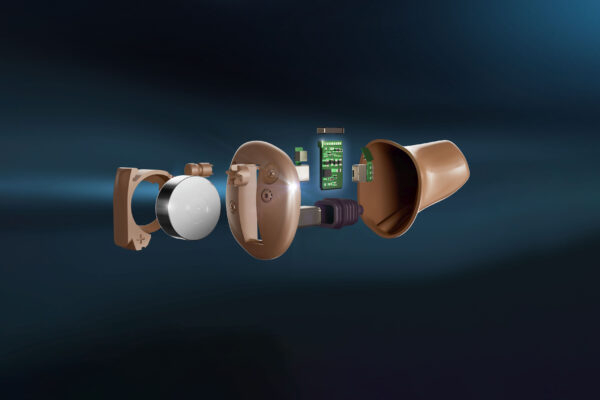
If you already wear hearing aids, Eastbourne’s coastal environment calls for a little extra attention to keep your devices performing at their best. Salt air, sand, moisture, and humidity can all affect sensitive hearing aid components over time, potentially reducing their clarity and lifespan.
We recommend removing your hearing aids before swimming or spending extended time in very damp conditions, and storing them in a dry, protective case when not in use. Using a hearing aid dehumidifier overnight is a simple habit that can help draw out any moisture accumulated during the day. Regular cleaning and professional servicing also go a long way towards ensuring consistent performance.
Our patient aftercare programme provides ongoing support with maintenance, adjustments, and troubleshooting, so your hearing aids continue to work well no matter the weather. If you are considering hearing aids for the first time, we offer a wide range of hearing aid styles suited to different lifestyles and environments, including the unique demands of coastal living.
If you live on the coast and have noticed any changes in your hearing, we would always encourage you to take action sooner rather than later. Early detection is one of the most important factors in effectively managing hearing loss and preserving your long-term hearing health.
You should consider booking a hearing test if you experience persistent muffled hearing or difficulty following conversations, a feeling of fullness or pressure in your ears that does not resolve, recurring ear infections or discomfort after water exposure, ringing, buzzing, or humming sounds in your ears, or dizziness and balance issues that seem linked to your ear health.
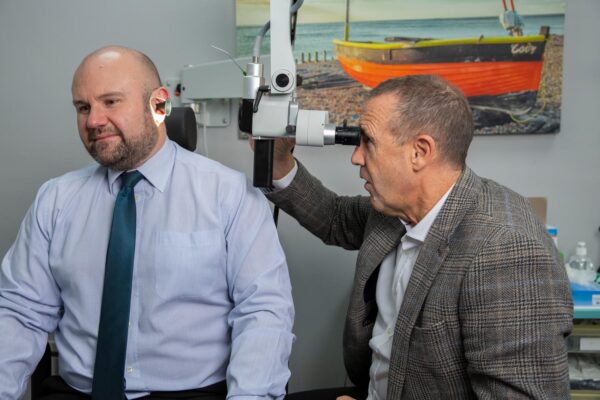
At Sussex Audiology Centre, our free hearing aid assessments take a holistic approach to understanding your needs. During your appointment, the audiologist will take a full health history, complete a hearing test to establish your degree of hearing loss, and then spend time understanding your lifestyle, the environments where you find hearing most challenging, and the activities you enjoy. The assessment concludes with a discussion of the most suitable corrective action and how we can best enhance your quality of life in your most challenging listening environments.
We have a local hearing clinic conveniently located in Eastbourne at 3b Meads Street, BN20 7QT, along with clinics across Sussex in Hove, Lewes, Haywards Heath, Goring-by-Sea, Ferring, and Storrington.
Yes. Regular exposure to wind, moisture, environmental noise, and fluctuating air pressure can all have an impact on your ear health over time. While occasional exposure is unlikely to cause lasting harm, the cumulative effects of coastal living can contribute to conditions such as swimmer’s ear, surfer’s ear, and noise induced hearing loss.
Swimmer’s ear is an infection of the ear canal caused by trapped moisture and usually resolves with treatment. Surfer’s ear involves the growth of bony lumps in the ear canal caused by repeated exposure to cold water and wind. Unlike swimmer’s ear, surfer’s ear is irreversible and may require surgical intervention in more advanced cases.
Custom-fitted swim plugs are one of the most effective solutions for keeping water out of your ears during swimming. We can provide personalised hearing protection advice during a consultation at our Eastbourne audiology clinic or any of our Sussex locations.
It can. Prolonged exposure to wind noise, particularly at higher speeds during cycling, sailing, or running along the coast, can reach sound levels above 85 decibels. This is the recognised threshold at which hearing damage can begin. Wearing ear protection or wind-reducing headwear is recommended for regular outdoor activities in windy conditions.
Changes in air pressure, humidity, and sustained wind exposure have been linked to fluctuations in tinnitus symptoms. If you are experiencing persistent or worsening tinnitus, our tinnitus therapy services can help you find effective management strategies.
We recommend having your hearing checked at least once every two years, or more frequently if you are regularly exposed to environmental risk factors such as water, wind, and noise. If you notice any changes in your hearing at any point, do not wait; book a hearing assessment as soon as possible.
Your hearing is precious, and living on the beautiful Eastbourne coast should never come at the expense of your ear health. Whether you are concerned about changes in your hearing, looking for hearing protection advice, or ready to book a comprehensive hearing assessment, our friendly team at Sussex Audiology Centre is here to help.
Get in touch today to book your free consultation. You can call us on 0330 3203 413, email us at info@sussexaudiologycentre.co.uk, or visit our contact page to send us a message. We look forward to hearing from you.
4 November 2025

9 June 2023

22 June 2023
Fields marked with an * are required









© 2026 Sussex Audiology | Privacy Policy | Late Fees