Whether you are walking along the Eastbourne seafront, catching up with friends in a busy cafe, or simply enjoying a morning in the garden, your hearing plays a vital role in keeping you connected to the world around you. Yet, for many of us, ear health is something we only think about when a problem arises.
The truth is, looking after your hearing does not have to be complicated. By building a few simple everyday hearing habits into your routine, you can protect your hearing, stay socially active, and continue enjoying everything that life in Eastbourne has to offer. At Sussex Audiology Centre, we are passionate about helping you do exactly that. As a family-founded and family-run audiology service, we have been proudly supporting people across Sussex for over 25 years, and we are here to share some practical hearing health tips that anyone can follow.
Hearing loss does not always happen suddenly. In many cases, it develops gradually over months or even years. You might find yourself turning the television up a little louder, asking people to repeat themselves, or feeling more tired after social events. These subtle shifts can be easy to dismiss, but they are often early signs that your hearing health needs attention.
When left unaddressed, even mild hearing changes can affect your confidence, your willingness to stay active, and your overall wellbeing. Research from the World Health Organisation highlights the importance of safe listening practices in preventing noise-induced hearing loss. The good news is that with the right daily habits, hearing loss prevention is something you can actively work towards.
One of the most straightforward hearing health tips is to be mindful of the noise levels you are exposed to throughout the day. Loud noise exposure is a leading cause of preventable hearing damage, and it is not just about concerts or construction sites. Everyday sounds such as lawnmowers, power tools, busy traffic, and even some household appliances can reach levels that are harmful over time.
As a general rule, any sound above 85 decibels can begin to cause damage with prolonged exposure. According to RNID, understanding noise levels is the first step to knowing when your hearing could be at risk. If you need to raise your voice to be heard by someone standing an arm’s length away, the environment is likely too loud.
For those in Eastbourne who enjoy outdoor events, live music, or even regular DIY at home, investing in quality hearing protection is a worthwhile step. You do not need to avoid these activities altogether. Simply wearing earplugs or earmuffs in loud settings can make a significant difference to your long-term ear health.
Headphones and earbuds have become part of daily life, whether you are listening to podcasts on your morning walk along Beachy Head or tuning into music while travelling. However, the convenience of personal listening devices comes with a risk if the volume is set too high or used for extended periods.
A helpful guideline to follow is the 60/60 rule: listen at no more than 60 per cent of the maximum volume for no longer than 60 minutes at a time. After that, give your ears a break. If you find that you frequently need to turn the volume up to hear over background noise, consider switching to noise-cancelling headphones. These allow you to enjoy your audio at a lower, safer volume by blocking out surrounding sound, rather than competing with it.
Building these safe listening habits into your daily routine is one of the simplest ways to protect your hearing and prevent hearing loss over the long term.
Here is something you may not have considered: regular physical activity is one of the best things you can do for your ears. It might sound surprising, but cardiovascular exercise plays an important role in maintaining healthy blood flow to the inner ear. The tiny hair cells within your cochlea rely on a strong blood supply to function properly, and once these cells are damaged, they do not regenerate.
Walking, cycling, swimming, or any form of moderate exercise that gets your heart rate up can help keep these structures healthy. Eastbourne is a wonderful place to stay active, with its promenade walks, the South Downs Way, and a wealth of parks and green spaces to explore. By staying physically active, you are not only supporting your general health but also investing in your hearing wellbeing for years to come.
If you are concerned that hearing difficulties are making it harder to stay active or enjoy your usual routines, we would love to help. Our team offers hearing assessments at our Eastbourne clinic, where we can discuss your hearing health and explore the best options for you.
Your diet can have a direct impact on your hearing. Nutrients such as magnesium, potassium, and antioxidants are thought to support the health of the inner ear and protect against damage from noise exposure. Foods rich in these nutrients include leafy greens, bananas, citrus fruits, nuts, seeds, whole grains, and lean proteins.
Staying well hydrated also plays a role in ear care. The fluid balance within the inner ear is essential for proper auditory function, so making sure you drink enough water throughout the day is a simple but effective habit.
While no single food can prevent hearing loss, a well-rounded diet supports the body’s ability to maintain healthy ear function over time. Combined with other hearing health habits, good nutrition is a meaningful part of your overall hearing care routine.
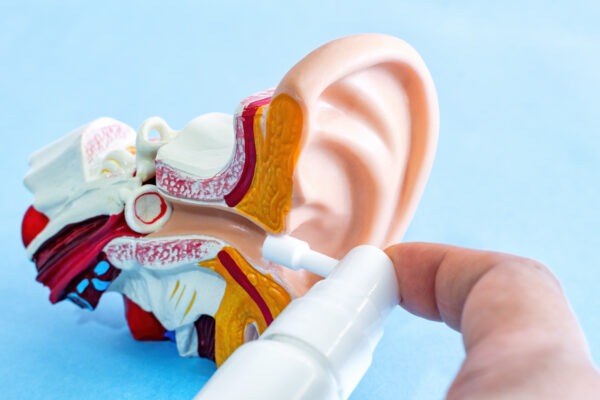
Ear care at home is important, but it is equally important to do it safely. One of the most common mistakes people make is using cotton buds to clean inside their ears. This can push earwax deeper into the ear canal, potentially causing blockages, discomfort, or even damage to the eardrum.
Earwax is actually a natural and protective substance. It traps dust and debris, helping to keep your ears clean and healthy. In most cases, your ears will manage wax removal on their own. If you feel that wax is building up or affecting your hearing, it is always best to seek professional help.
At Sussex Audiology Centre, we offer safe and effective ear wax removal using microsuction, which is a gentle and precise method carried out by our experienced audiologists. It is a quick appointment that can make a real difference to how clearly you hear.
In our increasingly busy lives, it is easy to forget that our ears need rest too. Whether you work in a noisy environment, spend a lot of time on calls, or simply live in a bustling part of town, giving your ears regular quiet breaks can help reduce fatigue and lower the risk of long-term damage.
Try to build short periods of quiet into your day. Step outside for a few minutes if you are in a noisy indoor space, or find a peaceful spot in one of Eastbourne’s lovely parks for a moment of calm. Even just five to ten minutes of quiet can help your ears recover from sustained noise exposure.
This is especially relevant for anyone who notices ringing in their ears, known as tinnitus, after being in loud environments. Tinnitus can be a sign that your ears are being overworked. If it persists, it is worth getting it checked by a professional. Our audiology services include tinnitus support to help you understand and manage your symptoms.
Being aware of subtle changes in your hearing is one of the most valuable habits you can develop. Early signs of hearing loss can be easy to overlook, but recognising them promptly means you can take action sooner.
Common indicators to watch for include:
If any of these sound familiar, please do not hesitate to reach out. Early intervention is key to managing hearing changes effectively. Our hearing assessments are designed to give you a clear picture of your hearing health, and you do not need a referral to book an appointment with us. You can contact us directly and we will take care of the rest.
Just like visiting the dentist or having your eyes checked, scheduling a regular hearing test is an important part of your overall health routine. Many people wait until they notice a significant problem before seeking a hearing test, but by that point, some degree of hearing loss may have already occurred.
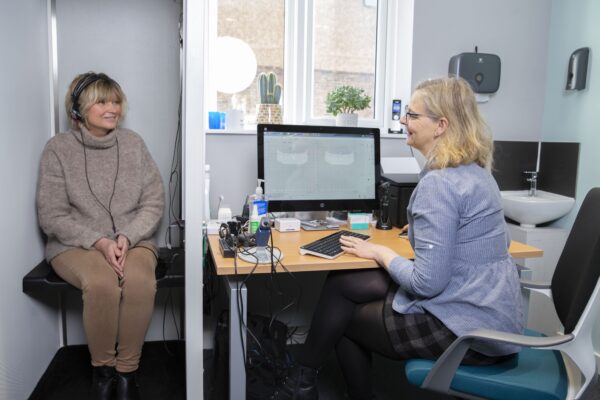
We recommend that adults have their hearing checked regularly, particularly if you are over 50, work in noisy environments, or have a family history of hearing loss. A hearing test in Eastbourne at our clinic is a straightforward and comfortable experience. Our audiologists will take a full health history, carry out a thorough hearing assessment, and discuss the results with you in detail.
At Sussex Audiology Centre, we offer free hearing aid assessments, so there is no cost barrier to taking that first step. Whether you are looking for peace of mind or need guidance on the best hearing care options, we are here to help.
Stress is something that affects us all from time to time, but you may not realise the impact it can have on your hearing. Chronic stress can affect blood circulation throughout the body, including to the inner ear, and it has been linked to conditions such as tinnitus. High levels of stress and anxiety can also make you more sensitive to sounds or make existing hearing difficulties feel more pronounced.
Finding healthy ways to manage stress is not only good for your mental health but for your hearing wellbeing too. Regular exercise, mindfulness, spending time outdoors, and maintaining social connections are all beneficial. Eastbourne offers a wonderful environment for relaxation, from gentle walks along the seafront to exploring the tranquil beauty of the Downs.
If stress-related hearing concerns are affecting your quality of life, our team is here to support you. We take a holistic approach to hearing care, considering your lifestyle, your environment, and your individual needs.
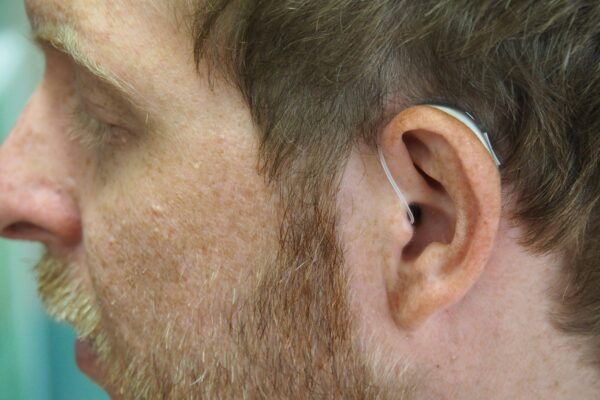
For those already experiencing some degree of hearing loss, modern hearing aids can be truly life-changing. Today’s devices are discreet, comfortable, and incredibly advanced, allowing you to hear more clearly in a wide range of environments.
At Sussex Audiology Centre, we work with leading hearing aid brands including Phonak, Oticon, Signia, Widex, ReSound, and Starkey. Our audiologists will help you find a hearing aid style that suits your lifestyle, your hearing needs, and your personal preferences.
We also provide ongoing patient aftercare to ensure your hearing aids continue to work at their best. From follow-up appointments to maintenance and adjustments, we are with you every step of the way.
Looking after your hearing does not require dramatic lifestyle changes. It is about making small, consistent choices every day. Whether that means turning the volume down on your headphones, wearing hearing protection when mowing the lawn, staying active with a walk along the Eastbourne seafront, or simply being more aware of the noise around you, these everyday hearing habits add up to make a real difference.
Your hearing connects you to the people and places you love. By prioritising your hearing care now, you are giving yourself the best chance of staying active, confident, and socially engaged for years to come.
What daily habits can help protect and improve my hearing health?
Simple habits such as keeping the volume low on personal devices, wearing hearing protection in loud environments, staying physically active, eating a nutrient-rich diet, and scheduling regular hearing tests can all contribute to better hearing health over time.
How can I protect my ears from loud noise in everyday life?
Be mindful of your surroundings. If you need to raise your voice to be heard, the noise level may be harmful. Use earplugs or earmuffs in loud settings, and try to take regular breaks from sustained noise throughout the day.
How does regular exercise support healthy hearing?
Cardiovascular exercise promotes good blood flow to the inner ear, which helps maintain the health of the delicate hair cells responsible for translating sound. Activities like walking, cycling, and swimming are all beneficial.
How should I clean my ears safely without causing damage?
Avoid inserting cotton buds or other objects into your ear canal. In most cases, your ears will clean themselves naturally. If you are concerned about wax build-up, professional microsuction is a safe and effective option available at our clinic.
How often should I schedule a hearing test?
We recommend regular hearing check-ups, especially for adults over 50 or anyone exposed to loud environments regularly. A hearing test every one to two years can help identify changes early and ensure you receive the right support.
What should I do if I notice ringing in my ears or changes in my hearing?
If you experience tinnitus or any sudden or gradual changes in your hearing, it is important to seek professional advice promptly. Early assessment can make a significant difference. You can book directly with us at our Eastbourne clinic without needing a referral.
At Sussex Audiology Centre, we believe that great hearing care starts with a conversation. Whether you are looking for a hearing test in Eastbourne, exploring hearing aid options, or simply want some friendly advice on how to protect your hearing, our team is here for you.
You can reach our Eastbourne clinic by calling 01323 387098, emailing eastbourne@sussexaudiologycentre.co.uk, or visiting our contact page to get in touch. We offer free hearing aid assessments, no referral is needed, and appointments can be booked online. Home visits are also available for those who prefer the comfort of their own home.
We look forward to supporting you on your journey to better hearing health.

29 June 2026
4 July 2023
30 May 2025
Fields marked with an * are required








© 2026 Sussex Audiology | Privacy Policy | Late Fees