Earwax is a natural and protective substance, but when it builds up excessively, it can cause discomfort, hearing difficulties, and other complications. Many people wonder whether they should attempt to clean their ears at home or seek help from a specialist. Understanding when professional intervention is necessary can help you protect your hearing health and avoid potential risks associated with DIY ear cleaning methods.
At Sussex Audiology Centre, we understand the concerns you may have about earwax buildup and the importance of safe, effective removal. In this comprehensive guide, we’ll explore when you should see a specialist for ear cleaning, the symptoms that indicate professional help is needed, and what you can expect from a specialist ear cleaning appointment.
Earwax, medically known as cerumen, serves an important protective function in your ears. It traps dust, debris, and microorganisms, preventing them from reaching and potentially damaging your eardrum. Earwax also keeps the ear canal lubricated and helps prevent infections.
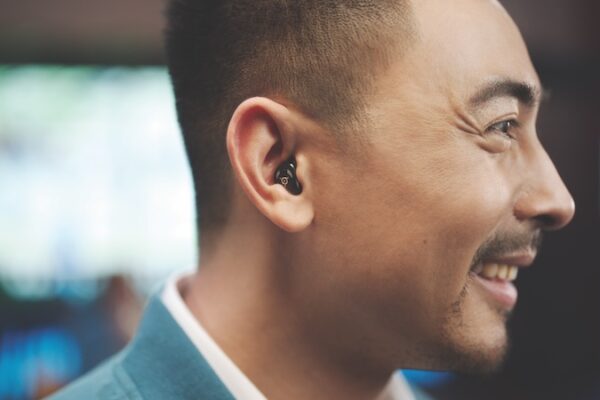
Under normal circumstances, earwax moves naturally out of the ear canal as you chew and talk, maintaining a healthy balance. However, various factors can disrupt this natural process, leading to a buildup or impaction of earwax. These factors include using cotton swabs or other objects to clean ears (which actually pushes wax deeper), wearing hearing aids or earbuds regularly, having naturally narrow ear canals, producing an excessive amount of earwax, or simply having the type of earwax that is drier and less able to move out naturally.
According to the NHS, earwax buildup is extremely common and affects people of all ages, though it becomes more prevalent as we get older.
Before we discuss when to see a specialist for ear cleaning, it’s important to recognise the warning signs that suggest you might have excess earwax. Common symptoms of earwax buildup or cerumen impaction include:
Hearing loss is often the most noticeable symptom. You may find that sounds seem muffled or that you’re having difficulty following conversations, particularly in noisy environments. This temporary hearing loss can significantly impact your quality of life.
Earache or a feeling of fullness in the ear is another common complaint. You might feel pressure or discomfort that doesn’t go away, making you constantly aware of your ear.
Tinnitus, which manifests as ringing, buzzing, or other sounds coming from inside your ear, can be caused or worsened by earwax buildup. If you’re experiencing tinnitus, our tinnitus therapy services can provide comprehensive support.
Itching in or around the ear canal, dizziness or vertigo, and even a persistent cough (caused by the stimulation of nerves in the ear canal) can all indicate earwax impaction. Some people also experience ear infections as a result of trapped wax creating a breeding ground for bacteria.
Mayo Clinic notes that having these symptoms doesn’t always mean you have earwax buildup, as other conditions can cause similar issues. This is precisely why professional assessment is so important.
Many people attempt to remove earwax at home using cotton swabs, ear candles, or other objects. However, these methods can be dangerous and often make the problem worse rather than better.
Cotton swabs are perhaps the most commonly misused tool. Rather than removing wax, they typically push it deeper into the ear canal, potentially causing impaction or even damaging the delicate structures of your ear. The ear canal is surprisingly delicate, and inserting objects can scratch the skin, leading to infections, or worse, perforate your eardrum.
Ear candling, despite its popularity in some circles, has been shown to be ineffective and potentially dangerous. There’s no scientific evidence supporting its use, and it poses risks of burns, ear canal obstruction from candle wax, and even perforation of the eardrum.
Using sharp objects like bobby pins, keys, or other implements is particularly hazardous. These can cause serious injuries, including lacerations to the ear canal and damage to the eardrum.
Even over-the-counter earwax removal drops, whilst generally safer, aren’t suitable for everyone. They can cause irritation if used incorrectly, and they should never be used if you suspect you have a perforated eardrum or ear infection. Harvard Health emphasises that professional removal is the safest approach when you have symptoms of earwax buildup.
Now that we understand the risks of home treatment, let’s address the key question: when should you see a specialist for ear cleaning?
You should seek professional help when you experience persistent or worsening hearing loss. If you notice that your hearing has diminished and it’s affecting your daily activities, this warrants professional assessment. Our audiology services can evaluate your hearing and determine whether earwax is the culprit.
If you’re experiencing significant pain or discomfort in your ear that doesn’t resolve quickly, don’t wait. Ear pain can indicate earwax impaction, but it might also signal an infection or other condition that requires medical attention.
When you have drainage from your ear, particularly if it contains blood or pus, this is a sign you need immediate professional care. This could indicate an infection, injury, or perforated eardrum.
Dizziness or balance problems associated with ear fullness should prompt a specialist visit. These symptoms might indicate that earwax is affecting your vestibular system. We offer vestibular rehabilitation for patients experiencing balance issues.
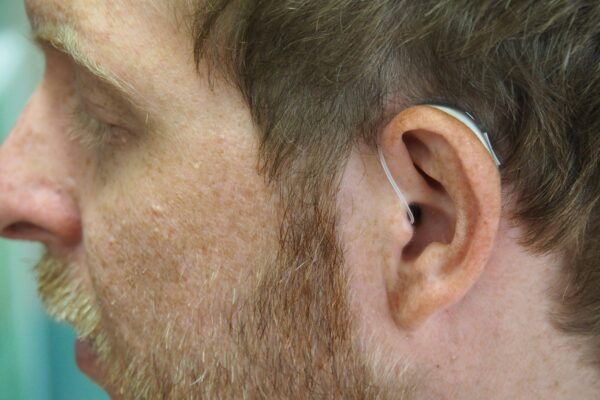
If you wear hearing aids and notice they’re not working as effectively as usual, earwax buildup might be interfering with their function. Regular professional ear cleaning is particularly important for hearing aid users, as the devices can prevent natural wax migration. If you’re experiencing hearing difficulties, we can also assess whether hearing aids might benefit you.
Those with a history of ear problems, including previous ear surgery, perforated eardrums, or recurrent ear infections, should always seek professional ear cleaning rather than attempting home remedies.
If you’ve already tried over-the-counter treatments without success, or if your symptoms persist for more than a few days, it’s time to see a specialist. Additionally, if you have diabetes or a weakened immune system, professional ear care is essential as you’re at higher risk for complications.
When you visit a specialist for ear cleaning, you’ll benefit from safe, effective methods performed by trained professionals. At Sussex Audiology Centre, we use proven techniques to remove earwax safely.
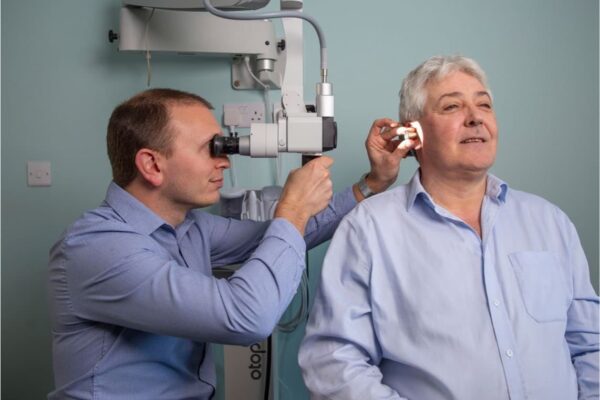
Microsuction is one of the safest and most effective methods for earwax removal. This procedure uses gentle suction to remove earwax under direct visualisation using a microscope or magnification. It’s quick, comfortable, and doesn’t involve introducing water into the ear, making it suitable for people with perforated eardrums or those prone to ear infections.
Irrigation, sometimes called ear syringing, involves using a controlled stream of warm water to flush out earwax. Modern irrigation techniques are much safer than older syringing methods, as they use controlled pressure and temperature. However, this method isn’t suitable for everyone, particularly those with certain ear conditions.
Manual removal using specialised instruments such as curettes allows the specialist to carefully extract earwax under direct vision. This method is particularly useful for hard or impacted wax.
During your appointment, the specialist will first examine your ears to assess the extent of the buildup and check for any underlying conditions. They’ll discuss which removal method is most appropriate for your situation, considering your medical history, the type and location of the earwax, and any pre-existing ear conditions.
The procedure itself is typically quick and causes minimal discomfort. Many patients experience immediate relief and improved hearing following treatment.
You might wonder which type of specialist to see for ear cleaning. Several healthcare professionals can remove earwax, each with different areas of expertise.
Audiologists are hearing healthcare professionals who specialise in assessing and managing hearing and balance disorders. Many audiologists, including our team at Sussex Audiology Centre, are trained in earwax removal and can perform the procedure safely and effectively. Audiologists can also conduct hearing assessments to check whether earwax has affected your hearing and whether any underlying hearing loss exists.
ENT specialists (otolaryngologists) are medical doctors who specialise in conditions affecting the ears, nose, and throat. They’re equipped to handle complex ear problems and can diagnose and treat conditions beyond earwax buildup.
Your GP can remove earwax in some cases, though many GP practices now refer patients to audiologists or ENT specialists for this service due to time constraints and the specialised equipment required.
For most routine earwax removal, an audiologist or specialist ear care clinic provides excellent care. We’re equipped with the latest technology and have extensive experience in safe earwax removal. Our clinics across Sussex, including Hove, Haywards Heath, Goring, Lewes, Ferring, Eastbourne, and Storrington, offer convenient access to professional ear cleaning services.
If you’ve decided to book an appointment for professional ear cleaning, knowing what to expect can help ease any concerns.
Before your appointment, you might be advised to use olive oil or earwax softening drops for a few days to make removal easier. However, only do this if instructed, as it’s not always necessary or appropriate.
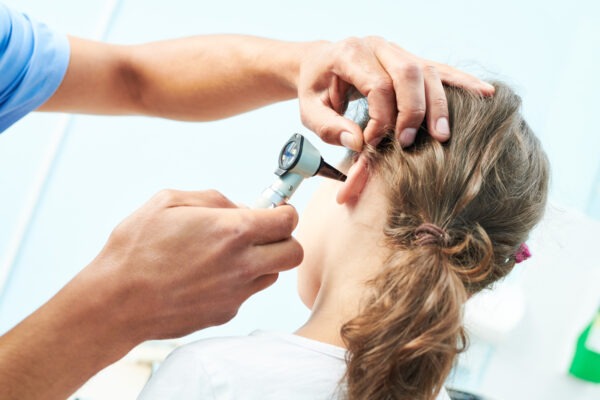
When you arrive for your appointment, you’ll be asked about your symptoms, medical history, and any previous ear problems. The specialist will then examine your ears using an otoscope, a lighted instrument that allows them to see inside your ear canal and assess the earwax buildup.
Based on this examination, they’ll explain which removal method is most suitable for you and answer any questions you have. The removal procedure itself typically takes just 15 to 30 minutes, depending on the extent of the buildup.
After the earwax has been removed, the specialist will examine your ears again to ensure all the wax has been cleared and to check for any signs of infection, inflammation, or other issues. They’ll provide aftercare advice, which might include keeping your ears dry for a day or two and avoiding the use of cotton swabs.
Most people experience immediate improvement in their hearing and relief from symptoms following professional ear cleaning. If you have any concerns after your appointment, we encourage you to get in touch with us.
Whilst professional ear cleaning is safe and effective, preventing excessive buildup in the first place is ideal. Here are some strategies to maintain healthy ears:
Avoid inserting anything into your ear canal. This includes cotton swabs, which are meant for external ear cleaning only, not for the ear canal. According to Cleveland Clinic, the ear is self-cleaning, and interfering with this natural process often does more harm than good.
If you wear hearing aids or use earbuds regularly, clean them according to the manufacturer’s instructions and consider having your ears checked more frequently. Our patient aftercare services include regular hearing aid maintenance and ear health checks.
If you’re prone to excessive earwax buildup, periodic preventive cleaning by a professional can help. Your audiologist can recommend an appropriate schedule based on your individual needs.
Keep your ears dry and clean the external part of your ears gently with a cloth. If you swim regularly or are exposed to dusty environments, you might benefit from custom hearing protection, which can help prevent debris from entering your ears whilst allowing natural wax migration.
Earwax buildup doesn’t just cause temporary discomfort; it can have significant implications for your overall hearing health. When left untreated, impacted earwax can cause conductive hearing loss, which occurs when sound waves can’t reach the inner ear properly.
For older adults or those already experiencing age-related hearing loss, earwax buildup can compound existing hearing difficulties, making it even harder to communicate effectively. Regular ear health checks ensure that earwax isn’t contributing unnecessarily to hearing problems.
If you’re concerned about your hearing, whether due to earwax or other factors, a comprehensive hearing assessment can provide clarity. At Sussex Audiology Centre, we offer free hearing aid assessments where we take your health history, perform a hearing test to establish the degree of any hearing loss, discuss your lifestyle and challenging listening environments, and conclude with recommended corrective action tailored to improve your quality of life.
Addressing earwax buildup promptly can prevent these complications and help you maintain optimal hearing. Regular monitoring is particularly important if you’ve experienced earwax problems in the past.
When you need professional ear cleaning in Sussex, choosing the right provider matters. At Sussex Audiology Centre, we’re a family-run audiology practice dedicated to providing exceptional hearing healthcare services to our local community.
Our team is highly trained in safe, effective earwax removal techniques, including microsuction. We use the latest equipment and follow best practices to ensure your comfort and safety throughout the procedure.
We understand that ear problems can be worrying and uncomfortable, which is why we prioritise a compassionate, patient-centred approach. We take the time to explain what we’re doing and answer all your questions, ensuring you feel comfortable and informed throughout your visit.
With clinics throughout Sussex, including Hove, Haywards Heath, Goring, Lewes, Ferring, Eastbourne, and Storrington, we offer convenient access to professional ear care wherever you are in the region.
Our patients consistently praise the quality of care they receive. As one patient shared: “I had a fantastic experience using Sussex Audiology for microsuction. The online booking process was straightforward and when I needed to amend my appointment they were very accommodating.”
Another patient noted: “What an amazing service! Having been let down at the last minute for a pre booked appointment for my grandfather they managed to see us on the same day. An excellent, professional and friendly service.”
Beyond earwax removal, we offer comprehensive hearing healthcare, including hearing assessments, hearing aids from leading brands such as Phonak, Oticon, and Widex, tinnitus support, and ongoing aftercare. This means we can address all your hearing health needs in one place.
Knowing when to see a specialist for ear cleaning is an important aspect of maintaining your hearing health. Whilst earwax is natural and protective, excessive buildup can cause significant discomfort and hearing difficulties that shouldn’t be ignored.
If you’re experiencing symptoms of earwax impaction, including hearing loss, earache, tinnitus, or a feeling of fullness in your ears, professional help is the safest and most effective solution. Attempting to remove earwax at home with cotton swabs or other objects can push wax deeper, cause injury, or lead to infection.
At Sussex Audiology Centre, we’re here to provide safe, professional ear cleaning services using the latest techniques. Our experienced team across our Sussex locations is committed to helping you achieve and maintain optimal ear and hearing health.
Don’t let earwax buildup compromise your hearing or quality of life. If you’re experiencing symptoms, we encourage you to seek professional assessment and treatment. Early intervention can prevent complications and help you hear clearly and comfortably.
How often should I have my ears professionally cleaned?
The frequency of professional ear cleaning varies from person to person. Most people don’t need regular ear cleaning appointments, as the ears naturally self-clean. However, if you’re prone to excessive earwax buildup, wear hearing aids, or have narrow ear canals, you might benefit from professional cleaning every 6 to 12 months. Your audiologist can assess your individual needs and recommend an appropriate schedule during your appointment.
Is professional ear cleaning painful?
Professional ear cleaning performed by a trained specialist should not be painful. You might feel some pressure or unusual sensations during the procedure, and you’ll hear some noise, particularly with microsuction, but most patients find the process comfortable and experience relief afterwards. If you have particularly impacted wax or sensitive ears, let your specialist know, and they can take extra care to ensure your comfort throughout the procedure.
Can I use olive oil drops before my appointment?
In many cases, using olive oil drops for a few days before your appointment can help soften the earwax and make removal easier. However, you should only do this if advised by your specialist. If you have a perforated eardrum, ear infection, or certain other conditions, oil drops might not be appropriate. Always check with your healthcare provider before using any ear drops.
How long does a professional ear cleaning appointment take?
Most ear cleaning appointments take between 15 and 30 minutes, depending on the extent of the earwax buildup and which removal method is used. This includes time for the initial examination, the removal procedure itself, and a follow-up check to ensure all wax has been removed and your ears are healthy. The actual removal often takes just a few minutes per ear.
Will I hear better immediately after ear cleaning?
Most people experience immediate improvement in their hearing once impacted earwax has been removed. You might notice that sounds seem clearer and louder, and any feeling of fullness or pressure in your ears should be relieved. In some cases, your ears might feel slightly sensitive or sound particularly loud for a short time as they adjust to the improved hearing. If hearing problems persist after earwax removal, further assessment may be needed to check for underlying hearing loss.
What’s the difference between an audiologist and an ENT specialist for ear cleaning?
Both audiologists and ENT specialists (otolaryngologists) can perform ear cleaning, but they have different areas of expertise. Audiologists specialise in hearing and balance disorders and are highly trained in earwax removal techniques such as microsuction and irrigation. They can also assess your hearing and provide hearing aids if needed. ENT specialists are medical doctors who can diagnose and treat a wider range of ear, nose, and throat conditions, including complex ear problems that might require medical or surgical intervention. For routine earwax removal, an audiologist is an excellent choice and can refer you to an ENT if they identify any conditions beyond their scope of practice.
If you’re experiencing symptoms of earwax buildup or have concerns about your ear health, we’re here to help. At Sussex Audiology Centre, we provide professional, compassionate ear cleaning services across our clinics in Sussex.
Don’t let earwax compromise your hearing and quality of life. Our experienced team is ready to help you achieve relief and better hearing through safe, effective ear cleaning.
To book your appointment or to discuss your ear health concerns, please get in touch with us via email at the contact details available on our website. We look forward to helping you hear clearly and comfortably once again.
10 February 2024
30 May 2025
11 August 2025
Fields marked with an * are required





© 2026 Sussex Audiology | Privacy Policy | Late Fees