When you think about the things that could affect your hearing, you probably picture factories, building sites or incredibly loud concerts. But what if we told you that the very environment you live in here in Lewes could be quietly chipping away at your hearing health, day after day, without you ever noticing?
At Sussex Audiology Centre, we work with people across Sussex who are surprised to learn just how much their local surroundings have contributed to changes in their hearing. From the bustling high street to the famous Bonfire Night celebrations, Lewes is a wonderful place to live, but it also presents some hidden challenges for your ears. In this article, we will explore the everyday environmental factors that could be affecting your hearing, the early warning signs to watch for, and what you can do to protect yourself.
Noise-induced hearing loss (NIHL) is one of the most common forms of hearing damage, and it can develop so gradually that many people do not realise it is happening until significant changes have already occurred. According to the National Institute on Deafness and Other Communication Disorders (NIDCD), NIHL can be caused by a single exposure to an intense sound or by continuous exposure to loud sounds over an extended period.
The reason NIHL is so concerning is that it is often permanent. The delicate hair cells inside your cochlea, the spiral-shaped organ in your inner ear, are responsible for converting sound vibrations into electrical signals that your brain interprets as sound. Once these hair cells are damaged by excessive noise, they do not regenerate. This means the hearing loss you experience is irreversible, making hearing loss prevention a topic that deserves far more attention than it usually receives.
What makes NIHL particularly sneaky is that the damage often happens at specific frequencies first, typically the higher-pitched sounds. You might still hear conversations perfectly well in quiet rooms but start to struggle in noisier environments. This is why so many people dismiss the early stages as simply “not paying attention” rather than recognising it as a genuine change in their hearing ability.
Lewes is a charming market town nestled in the South Downs, and while it may seem like a peaceful place to live, there are more sources of environmental noise pollution than you might expect.
The A27 and A26 are busy roads that carry a significant volume of traffic through and around Lewes. If you live near one of these routes, or if you regularly walk or cycle alongside them, you are being exposed to traffic noise that can easily reach 70 to 85 decibels (dB). According to the World Health Organisation, prolonged exposure to environmental noise at these levels can contribute to a range of health issues, including hearing damage over time. While a single car passing by is unlikely to cause harm, the cumulative effect of daily exposure, year after year, can be significant.
Lewes is renowned for hosting one of the largest and most spectacular Bonfire Night celebrations in the country. The fireworks, firecrackers, flaming torches and marching bands create an incredible atmosphere, but they also produce noise levels that can easily exceed 120 dB at close range. To put that in perspective, the Occupational Safety and Health Administration (OSHA) states that exposure to sounds above 85 dB can damage your hearing, and sounds at 120 dB can cause immediate harm. If you attend the Lewes Bonfire celebrations without ear protection, even a single evening could contribute to loud noise hearing damage.
Throughout the year, Lewes hosts a variety of outdoor events, farmers markets and live music in local pubs. Background noise in a busy pub can reach 90 dB or more, particularly when live music is playing. You might not think twice about spending an evening out, but if you are regularly exposing yourself to these noise levels without taking breaks or wearing hearing protection, you could be doing more damage than you realise.
This might seem like an unlikely culprit, but lawnmowers, leaf blowers, chainsaws, hedge trimmers and power tools are all common sources of noise that can exceed 85 dB. Many Lewes residents enjoy maintaining their gardens or tackling home improvement projects, often without giving a second thought to the noise levels involved. A typical petrol lawnmower produces around 90 dB, and using one for an extended period without protection can contribute to gradual hearing changes over time.
Living close to the South Downs means Lewes residents are often exposed to strong winds, particularly during autumn and winter. While wind itself does not damage your hearing in the same way that loud noise does, it can create a masking effect that makes it harder to hear conversations and environmental sounds. Over time, this can lead you to turn up the volume on headphones or the television to compensate, inadvertently increasing your noise exposure. Wind exposure can also cause discomfort and irritation in the ear canal, which is worth being aware of if you spend a lot of time outdoors.
One of the biggest challenges with environmental noise pollution and hearing health is that the signs of hearing loss tend to appear gradually. You adapt without even realising it, making excuses for the changes rather than seeking help. Here are some of the early warning signs that your hearing may be changing:
You find yourself asking people to repeat themselves more frequently, especially in noisy environments like restaurants or social gatherings. Conversations that once felt effortless now require more concentration, and you may notice that you are relying more on lip reading or visual cues to follow along.
You have started turning up the volume on the television or radio, and other people in your household have commented that it seems too loud. This is one of the most common early indicators, and it is easy to dismiss as a personal preference rather than a sign of something more significant.
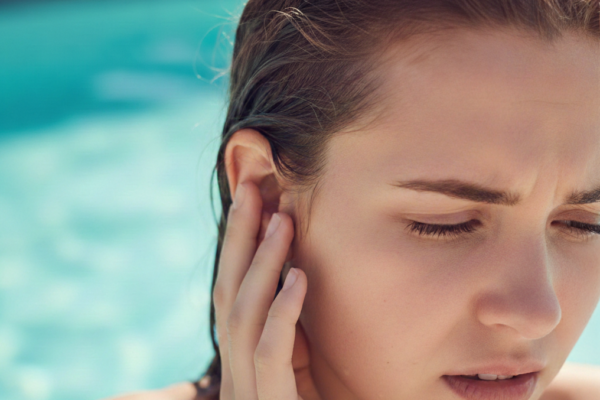
You experience tinnitus symptoms such as a ringing, buzzing, hissing or humming sound in your ears, particularly after being in a noisy environment. Tinnitus is often one of the earliest indicators that your hearing has been affected by noise exposure. If you are experiencing these symptoms, our tinnitus therapy service can help you manage and understand what is happening.
You have noticed that certain sounds seem muffled or distorted, or that you struggle to hear high-pitched sounds like birdsong, doorbells or the voices of children. These changes can be subtle at first, but they tend to become more noticeable over time if left unaddressed.
You feel a sense of fullness or pressure in your ears after exposure to loud environments. While this can sometimes be related to ear wax build-up (which our ear wax removal service can address), it can also indicate that your ears have been stressed by excessive noise.
To truly appreciate how the Lewes environment could be affecting your hearing, it helps to understand the relationship between decibel levels and safe exposure times. The Hearing Health Foundation notes that sounds at or below 70 dB are generally considered safe for your hearing, even after prolonged exposure. That is roughly the level of a normal conversation between two people.
Once noise levels rise above 85 dB, the risk of hearing damage increases significantly, and the amount of time you can safely be exposed decreases rapidly. For every 3 dB increase above 85 dB, the safe exposure time is roughly halved. Here is a general guide to put things in perspective:
Normal conversation sits at around 60 to 70 dB and is considered safe. A busy restaurant or pub might reach 80 to 90 dB, where damage can begin after a couple of hours. A lawnmower or power tool typically produces 85 to 95 dB, with safe exposure limited to around one to two hours. Fireworks and firecrackers can reach 120 to 150 dB, where even brief exposure can cause immediate damage.
Understanding these levels helps you make more informed decisions about when and how to protect your hearing in your daily life around Lewes.
When sound enters your ear, it travels through the ear canal and causes the eardrum to vibrate. These vibrations are transmitted through the tiny bones of the middle ear to the cochlea, where thousands of microscopic hair cells convert them into electrical signals for the brain.
When these hair cells are exposed to excessive noise, they can become overstimulated and damaged. Think of it like bending a blade of grass: if you bend it gently, it springs back, but if you bend it too far or too often, it stays flat. Similarly, temporary exposure to loud noise might cause your hearing to feel muffled for a short time before recovering. However, repeated or prolonged exposure causes permanent damage to these hair cells, and since they cannot repair themselves, the resulting hearing loss is irreversible.
This is why temporary changes in your hearing after a loud event, such as muffled sounds or ringing ears, should never be dismissed. They are warning signs that your ears have been overstressed, and each occurrence increases the likelihood of permanent damage.
While anyone can be affected by environmental noise, some people are at greater risk than others. If any of the following apply to you, it is particularly important to be proactive about hearing awareness and protection:
People who work in noisy professions, including construction workers, farmers, musicians, pub and hospitality staff, and anyone who regularly uses power tools or heavy machinery. The Health and Safety Executive (HSE) estimates that thousands of workers in Great Britain experience hearing problems caused or made worse by their work each year.
Regular attendees of the Lewes Bonfire celebrations or other loud community events. Even one evening of exposure to fireworks and firecrackers at close range can cause measurable hearing damage.
Keen gardeners and DIY enthusiasts who frequently use petrol-powered tools without wearing ear protection.
People who regularly listen to music through headphones at high volumes, particularly younger residents. This is an increasingly common cause of hearing damage that often goes unnoticed until later in life.
Older adults whose hearing may already be changing due to age-related factors, making them more vulnerable to the additional effects of environmental noise.
The good news is that noise-induced hearing loss is entirely preventable. Here are some practical steps you can take to protect your hearing while still enjoying everything that Lewes has to offer.
Investing in quality ear protection is one of the simplest and most effective things you can do. Standard foam earplugs are inexpensive and widely available, but for a more comfortable and effective solution, consider custom hearing protection that is moulded to fit your ears perfectly. We offer custom earplugs at Sussex Audiology Centre that are ideal for musicians, event-goers, workers in noisy environments and anyone who wants reliable protection without compromising on comfort.
If you are at a pub with live music, attending a fireworks display or using power tools, make a conscious effort to step away from the noise periodically. Even a short break of five to ten minutes can give your ears valuable recovery time and reduce the cumulative impact of noise exposure.
Whether you are listening to music through headphones or watching the television, try to keep the volume at a comfortable level. A good rule of thumb is the 60/60 rule: listen at no more than 60% of maximum volume for no more than 60 minutes at a time.
At outdoor events and celebrations, the noise level decreases significantly as you move further from the source. Standing a few metres further back from fireworks, speakers or marching bands can make a real difference to the amount of noise reaching your ears.
Perhaps the most important step you can take is to have your hearing assessed regularly by a qualified audiologist. A professional hearing assessment can detect subtle changes in your hearing long before you notice them yourself, allowing for early intervention and better outcomes. If you are unsure what to expect, you can learn more about what happens in a hearing test on our website.
If you have noticed any of the early signs of hearing loss mentioned in this article, or if you are simply concerned about the impact that environmental noise might be having on your hearing, we would encourage you to book a hearing assessment sooner rather than later.
At Sussex Audiology Centre, our free hearing aid assessment process includes a full health history, a hearing test and a discussion of your lifestyle and listening challenges before we recommend the most suitable course of action. We are a family-founded and family-run service, and we pride ourselves on offering a personalised, friendly approach to every patient who walks through our doors.
We have a clinic right here in Lewes, as well as locations across Sussex, and we also offer home visits for those who prefer to be seen in the comfort of their own home.
As one of our patients recently shared: “What a first class experience! From making the appointment to getting the hearing aid fitted, the team at Sussex Audiology have been outstanding.”
The Lewes environment is full of sounds that make it a vibrant and wonderful place to live. But among those sounds are hidden threats that could be gradually affecting your hearing without you realising it. The key takeaway is that noise-induced hearing loss is preventable, and with the right awareness, protection and regular check-ups, you can enjoy everything Lewes has to offer while keeping your hearing in the best possible shape.
Do not wait until hearing loss becomes obvious. By then, the damage may already be done. Take a proactive approach to your hearing health today.
Can everyday environmental noise really cause hearing loss?
Yes, it absolutely can. While a single exposure to moderate noise is unlikely to cause permanent damage, repeated or prolonged exposure to sounds above 85 dB can gradually damage the delicate hair cells in your inner ear. Many everyday activities, from mowing the lawn to attending social events, can reach or exceed these levels.
What are the first signs that my hearing might be changing?
The earliest signs often include difficulty following conversations in noisy settings, turning up the television volume, experiencing ringing or buzzing in your ears (tinnitus), and finding that certain sounds seem muffled or less clear. If you recognise any of these, it is worth having a professional hearing assessment.
How loud is too loud for my ears?
Sounds at or below 70 dB are generally considered safe. Once noise levels reach 85 dB and above, the risk of hearing damage increases, and the amount of time you can safely be exposed drops significantly. Fireworks, power tools and loud music can all exceed 100 dB, where even short exposure can be harmful.
Can tinnitus be a sign of noise-induced hearing loss?
Yes. Tinnitus, characterised by a ringing, buzzing or humming sound in the ears, is often one of the earliest symptoms of noise-induced hearing loss. If you experience tinnitus after being in a noisy environment, it is a signal that your ears have been overstressed. Our tinnitus therapy service can help you manage these symptoms.
Is hearing loss from environmental noise permanent?
In many cases, yes. While temporary hearing changes (such as muffled hearing after a loud event) can recover, repeated exposure causes permanent damage to the hair cells in the cochlea. Since these cells cannot regenerate, the resulting hearing loss is irreversible. This is why prevention and early detection through regular hearing tests are so important.
How often should I have my hearing tested?
We recommend having a hearing test at least once every two years if you are over 50 or if you are regularly exposed to loud environments. If you notice any changes in your hearing, do not wait for your next scheduled test. Contact us to arrange an appointment as soon as possible.
If this article has made you think about your own hearing health, we are here to help. At Sussex Audiology Centre, we offer expert assessment, diagnostics, advice and fitting for all aspects of hearing care. Whether you need a hearing test, custom hearing protection or support with treating hearing loss, our friendly team is ready to guide you every step of the way.
Get in touch with us today by emailing info@sussexaudiologycentre.co.uk or visiting our contact page to book your appointment. You can also call our Lewes clinic directly on 01273 752979. We offer free hearing aid assessments, so there is nothing to lose and everything to gain by taking that first step.
Your hearing is precious. Let us help you protect it.

22 April 2026

30 December 2025
29 April 2026
Fields marked with an * are required






© 2026 Sussex Audiology | Privacy Policy | Late Fees