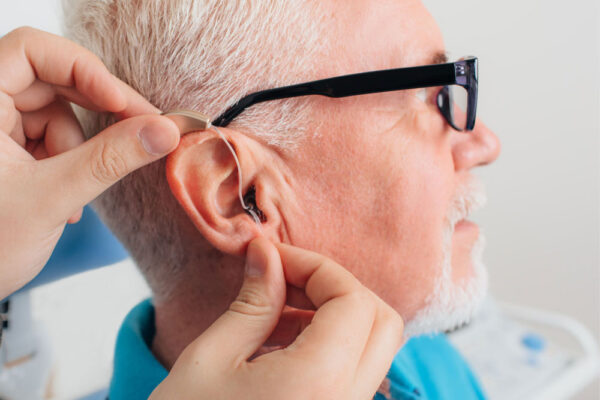
Nobody wants to commit to a hearing aid without knowing how long it will keep working. So, how long do invisible hearing aids last? The honest answer is that it depends on which kind you choose, because Phonak Lyric and traditional IIC models are built to last in very different ways.
Lyric is an extended wear device that stays in the ear for weeks or months at a time before it is replaced. Traditional invisible hearing aids are owned products that usually last several years, but they need daily handling and regular power top-ups.
This guide explains both, side by side, so readers can decide which approach suits their life.
When people ask how long a hearing aid lasts, they are often asking three different questions at once. Comparing Lyric with traditional models like for like can therefore be misleading.
The three meanings of longevity are:
The short verdict is that the Phonak Lyric hearing aid is designed for extended wear over weeks or months per device, then replaced. Traditional invisible in canal hearing aids usually last years overall but need routine battery changes or charging, plus more day-to-day care.
Lyric scores highly on continuous wear but is replaced regularly. Traditional IIC devices score highly on overall lifespan but are inserted and removed by the wearer.
Readers who want to see the full range of options can explore invisible hearing aids at Sussex Audiology Centre.
Phonak Lyric is an extended wear hearing aid placed deep in the ear canal by a trained professional. It sits close to the eardrum, which helps it remain hidden and makes use of the ear’s natural shape to collect sound.
Each device is worn continuously, day and night, for a limited period before it is replaced with a new one. Replacement is normally carried out by the provider, and any alternative arrangements should be discussed with an audiologist who can confirm current manufacturer guidance.
The battery is sealed inside the device. There are no batteries to swap and no charger to remember, because Lyric hearing aid battery life is effectively tied to the life of each unit.
When the power runs down, the whole device is replaced. This is why Lyric is described in terms of wear cycles rather than years.
Actual wear time varies from person to person. Common factors include:
An audiologist can explain what a realistic wear cycle might look like for each person after examining their ears.
IIC stands for invisible-in-the-canal, meaning the device sits deep inside the ear canal. CIC means completely-in-canal, which sits slightly closer to the opening. The RNID describes both as discreet options suited to certain types of hearing loss.
Traditional IIC hearing aids and many CIC hearing aids are purchased devices intended to last for several years. How long they last depends on care, servicing and how they are worn.
Because these devices live inside the ear, they are exposed to warmth, sweat and earwax. Regular cleaning, moisture protection, good earwax management and follow-up checks all help them stay reliable for longer. Ongoing patient aftercare plays a big part in keeping devices working well over the years.
Overall lifespan is different from day-to-day runtime. Smaller devices have smaller batteries and less room for features, so IIC hearing aid battery life is often shorter than that of larger behind-the-ear models.
In practice, this means more frequent battery changes or charging. For many wearers, that routine becomes second nature quite quickly.
Neither option simply “lasts longer”. Each lasts in its own way, and the right choice depends on which pattern fits the wearer’s lifestyle. Comparing different hearing aid styles can help put this in context.
|
Feature |
Phonak Lyric |
Traditional IIC or CIC
|
|---|---|---|
|
Wear pattern |
Continuous, 24/7 wear |
Inserted daily, removed at night |
|
Replacement cycle |
New device after each wear cycle |
One device kept for several years |
|
Battery handling |
Sealed battery, no changes |
Regular battery changes or charging |
|
Maintenance |
Handled mainly by the provider |
Daily cleaning by the wearer |
|
Ownership model |
Often an ongoing service arrangement |
Owned outright |
Lyric suits people who want to forget about their hearing aid entirely, including while sleeping. Traditional models require daily insertion and removal, which some people prefer because it gives them full control and a break from wearing a device.
Lyric is replaced regularly, so it is often supplied through an annual service or subscription model rather than bought once. Traditional devices are a single owned product that lasts longer, but they need ongoing upkeep and occasional servicing.
Costs vary by individual arrangement, so it is best to discuss options directly with an audiologist.
Invisible hearing aids are not automatically waterproof. What is safe depends on the model and the manufacturer’s instructions, so blanket answers are rarely reliable.
Traditional IIC and CIC devices are usually removed before showering or swimming. Lyric is worn continuously, so wearers are typically given specific guidance on protecting the ear during showering and swimming, which may involve custom earplugs.
Heavy sweating during exercise can affect any in-ear device over time. Water and moisture are among the most common reasons small hearing aids need servicing.
Questions about earphones, headsets and earplugs also vary by device type. The safest approach is always to follow the device-specific advice given by an audiologist at fitting.
Not everyone is suitable for Phonak Lyric or for invisible in canal hearing aids. Ear canal shape, ear health, dexterity and the type of hearing loss all matter. The British Society of Audiology highlights how carefully ear impressions must be taken for in-the-ear devices.
Discreet hearing aids appeal to people who value a hidden appearance and natural sound. Some wearers also find constant amplification helpful for tinnitus, although results vary. The trade-off is fewer manual controls and limited handling space.
Professional hearing assessments confirm whether a deep-fitting device is safe and effective. Sussex Audiology Centre uses this step to give personalised, responsible recommendations.
How long does each Lyric hearing aid last?
Each Lyric device is designed for extended wear over a limited period, typically weeks or months, before being replaced. Actual duration varies with ear anatomy, moisture, earwax and daily activity, so an audiologist can give a more personal estimate.
How long do invisible hearing aids last overall?
Traditional invisible hearing aids are owned devices that usually last several years with good care. Lyric works differently: each unit has a shorter wear cycle and is replaced regularly as part of an ongoing arrangement.
What is the difference between Lyric wear time and traditional IIC lifespan?
Lyric wear time refers to how long one device stays in the ear continuously. Traditional IIC lifespan refers to how many years an owned device keeps working with regular cleaning, battery changes and servicing.
Can I shower or swim with invisible hearing aids?
Not automatically. Traditional IIC devices are usually removed before water exposure, while Lyric wearers receive specific guidance on protecting their ears. Always follow the advice given for the individual device.
Do invisible hearing aids work for everyone?
No. Ear canal shape, hearing loss severity, dexterity, ear health and lifestyle all affect suitability. A professional hearing assessment is the best way to find out whether an invisible option is appropriate.
Do invisible hearing aids help with tinnitus?
Some people find that constant amplification makes tinnitus less noticeable. However, the benefit depends on the individual and the device type, so it is worth discussing tinnitus with an audiologist before choosing.
The right invisible hearing aid depends on lifestyle, ear anatomy, hearing needs and whether continuous wear or longer-term ownership feels more natural.
Sussex Audiology Centre welcomes people across Hove, Goring-by-Sea, Haywards Heath, Lewes, Ferring, Eastbourne, Henfield, Storrington and wider Sussex looking for personalised guidance. From thorough hearing assessments to ongoing aftercare, the team supports every stage of the journey.
To arrange advice, simply use the email address shown on the Contact Us page and the team will be happy to help.

30 October 2026

30 December 2025

3 March 2026
Fields marked with an * are required







© 2026 Sussex Audiology | Privacy Policy | Late Fees