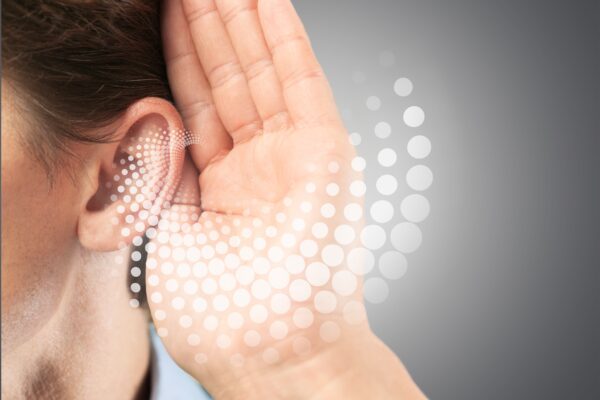
Perhaps it started with the television creeping louder, or a parent who nods along at Sunday lunch without quite following the conversation. Noticing changes in someone you love can be worrying, and it is hard to know what to say or do first.
If you are helping a loved one with hearing loss in Lewes, where to start is often the biggest question. Hearing difficulties are common, support is close to home and a few gentle steps can make a real difference.
In this guide, we share the signs to look for, how to raise the subject kindly, when to book a hearing test in Lewes and what support is available afterwards.
Hearing loss symptoms tend to show up in everyday moments. You might notice your loved one:
Age related hearing loss usually develops gradually, so the person affected may not realise how much they are missing. That is why partners, children and friends often spot the changes first.
Not every change is down to age. Ear wax build-up, an ear infection, illness or years of noise exposure can all play a part.
Audiologists also describe conductive hearing loss (sound cannot pass properly through the outer or middle ear), sensorineural hearing loss (affecting the inner ear or hearing nerve) and mixed hearing loss, which combines the two.
Rather than guessing, the best next step is usually a hearing test or hearing aid assessment. Our guide to the signs it is time to book a hearing test can help you decide.
Many people feel embarrassed or defensive about hearing loss, and some worry about what hearing loss treatment or hearing aids might mean for them. The RNID points out that responses can feel abrupt when someone is covering feelings of shame.
Choose a calm, quiet moment and focus on shared benefits, such as easier conversations. Talking about missed moments works better than blame: “I miss our chats at dinner” lands far more softly than “You never listen”.
Supporting someone with hearing loss means respecting that the decision is theirs. This matters especially with an older relative who may already feel their independence slipping.
Share information, answer questions honestly and give them time. Let them lead on booking and on how involved they would like you to be, perhaps by offering to come along for company.
Knowing when to see an audiologist makes the next step clearer. It is worth booking if hearing difficulties are ongoing, if your loved one has tinnitus (ringing or buzzing in the ears) or balance concerns, or if existing hearing aids are not working well.
Some symptoms need prompt medical attention. Sudden hearing loss, particularly in one ear, along with pain, discharge, signs of infection or dizziness, should be checked quickly. NHS guidance on sudden hearing loss stresses recognising that it is not normal and seeking urgent care.
For gradual changes, you do not always need a referral. Many people book a hearing test Lewes appointment directly with an independent clinic for an initial assessment.
A GP or ENT specialist is the right first step when symptoms are sudden, painful or one-sided, so any underlying medical cause can be ruled out.
NHS audiology is usually accessed through a GP referral, and options and waiting times can vary, so check current details with your surgery.
Private hearing care Lewes offers direct booking and a wider choice of devices. As a family-run, independent clinic, we offer free hearing aid assessments, wholly unbiased recommendations and extensive aftercare, including home visits for anyone who finds travelling difficult.
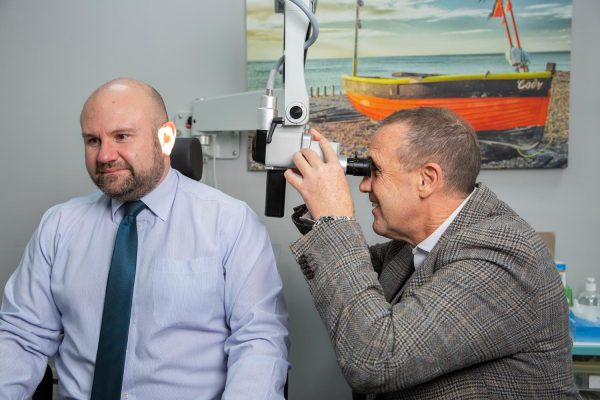
A first appointment is relaxed and unhurried. The audiologist will talk through symptoms, look into the ears, carry out the hearing test and explain the results in plain language. You can read more about what to expect at your first hearing test in Lewes.
If ear wax is blocking the ear canal, it may need clearing before testing can be accurate. We offer ear wax removal in Lewes using microsuction.
The aim is always to understand the cause and recommend the most suitable next step, whether that is monitoring, wax removal, hearing aids or other support.
Your observations are valuable. Note situations where your loved one struggles, such as phone calls, restaurants or family gatherings, and bring a medication list if relevant. Our guide on how to prepare for a first audiology appointment in Lewes has more tips.
Modern hearing aids make speech clearer and everyday sounds easier to follow, which can help greatly with age related hearing loss. They do not restore natural hearing, and the brain needs time to adjust, so patience in the first few weeks really matters.
Careful fitting, fine-tuning and follow-up appointments make a big difference, which is why independent advice and ongoing aftercare are so valuable. If you are weighing up options, read our guide to choosing a hearing aid in Lewes.
Many hearing aids connect to mobile phones, while loop systems in public venues and assistive equipment such as amplified phones can boost confidence and independence.
Small habits help everyone:
Age UK also has helpful guidance on hearing loss in later life.
Community services can complement clinical care. Hearing support groups, lip reading classes and local Age UK services offer advice and companionship.
The East Sussex Hearing Centre in Eastbourne offers free hearing aid maintenance and battery replacements. Opening times and eligibility can change, so check directly with any provider before visiting.
Hearing aids need regular care. Tubing hardens over time and needs retubing, ear moulds can loosen and cause feedback whistling, and wax can block the sound outlet.
If simple checks do not solve a problem, professional repair is the next step. As your local audiology Lewes team, we are always happy to advise on aftercare and maintenance.
How do I know if my loved one needs a hearing test?
Common signs include asking people to repeat themselves, turning the TV up, struggling on the phone and withdrawing from group conversations. If these changes are ongoing rather than occasional, booking a hearing test is a sensible next step.
Do we need a GP or ENT referral before seeing an audiologist in Lewes?
Usually not for gradual changes, as a private hearing assessment can often be booked directly. However, sudden, painful or one-sided hearing loss, dizziness or signs of infection should be checked by a GP or urgent medical service first.
Can ear wax cause hearing problems that look like hearing loss?
Yes, sometimes. A build-up of wax can muffle sound and make hearing seem worse than it is. It may need removing before an accurate hearing test can be carried out.
How can I talk to someone with hearing loss without frustrating them?
Face them, speak clearly at a natural pace and reduce background noise. Avoid shouting or talking from another room, and check understanding gently rather than repeating the same words louder.
What should we do if a hearing aid is whistling or not working properly?
Check the fit, battery or charge, and look for wax blocking the outlet or damaged tubing. If whistling or poor sound continues, arrange professional maintenance or repair rather than adjusting it yourselves.
What local support is available in and around Lewes for hearing loss?
Options include independent clinics like ours, NHS audiology through GP referral, the East Sussex Hearing Centre for maintenance and batteries, plus support groups and Age UK services. Check current details directly with each provider.
If you have noticed ongoing hearing loss symptoms in someone you care about, there is no need to wait. Early hearing care often makes conversations easier and helps your loved one stay connected with the people and activities they enjoy.
Our friendly team is here to help. Visit our Contact us page, or use the email address listed there, to ask questions or arrange the most suitable next step with Sussex Audiology Centre. You will find expert advice and ongoing support close to home in Lewes.
23 May 2025
5 March 2024
3 July 2023
Fields marked with an * are required






© 2026 Sussex Audiology | Privacy Policy | Late Fees